Join our High Alpine Training Basic course, part of the ORTOVOX SAFETY ACADEMY, and learn how to move safely in high-altitude environments.
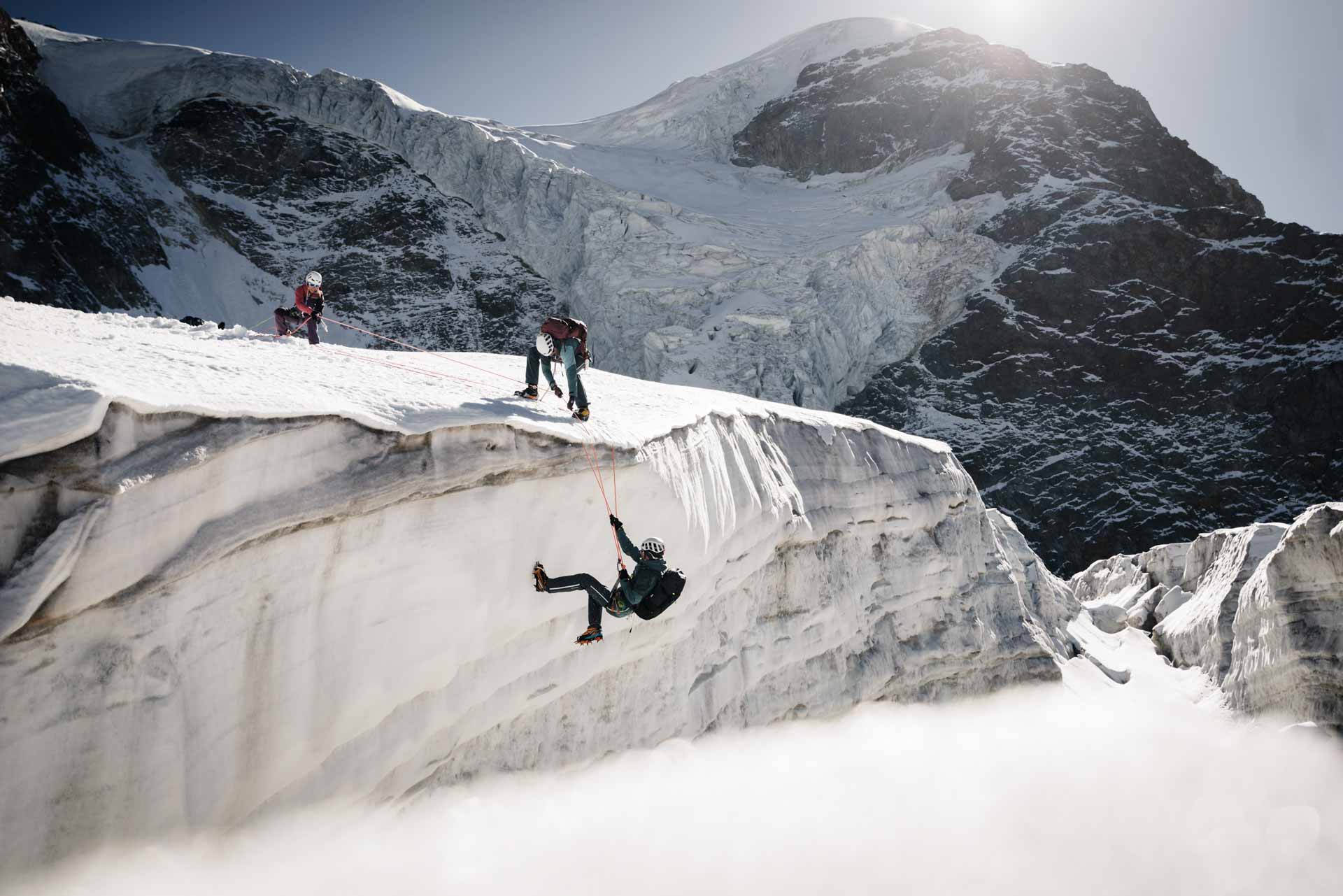
During this High Alpine Training Basic, IFMGA-certified Mountain Guides will teach essential mountaineering skills for glacier travel, rope progression, and safe movement on snow and ice.
You’ll practice using ropes, ice axes, and crampons correctly while improving your rope techniques, bindings, and teamwork efficiency.
This high alpine training course combines field exercises with short theoretical sessions covering meteorology, topography, and digital navigation tools for safe route planning.
You’ll also study self-rescue methods and learn how to react effectively to accidental falls using self-arrest techniques.
By completing the High Alpine Training Basic course, you’ll gain the foundation to manage alpine risks responsibly and prepare for future climbs above 4,000 meters.
The High Alpine Training Basic is the ideal first step for anyone who wants to approach mountaineering safely and confidently, guided by professional instructors.
COURSE OBJECTIVES
- Learn the basic knowledge and develop the essential skills to safely tackle mountaineering outings on glaciers, icy terrain and at high altitudes
- Learn how to walk safely with crampons (crampons with flat points and crampons forward-pointing mood)
- Learning the techniques of arresting an individual fall and that of a climbing partner
- Manage and practice the correct tying and handling of equipment during the outing
- Understand when and how to use the equipment during the outing and know your personal equipment, using it correctly
- First aid techniques (self-rescue, roped party self-rescue, hoist)
PHYSICAL REQUIREMENTS AND TECHNICAL SKILLS
Since this is a basic learning module, no particular physical requirements and specific previous technical skills are required to participate in the course. However, it is essential to possess at least the following skills and characteristics:
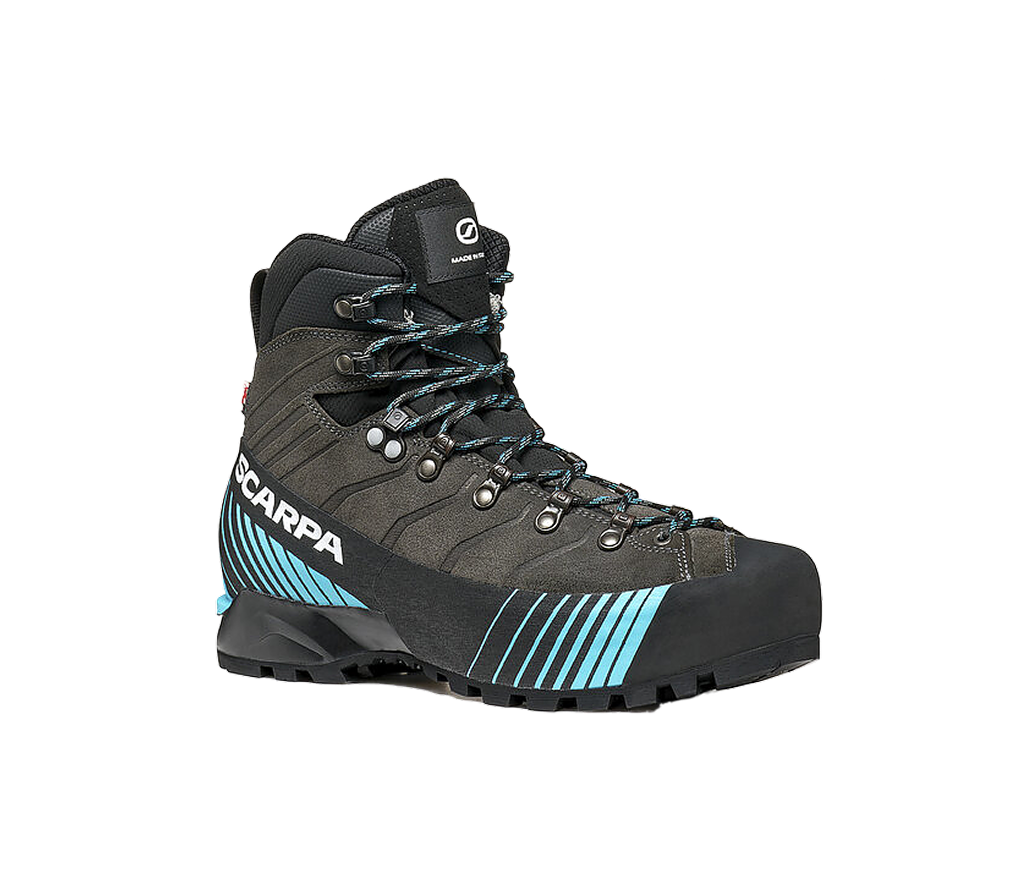
- sure-footed with mountaineering boots on approach (ability to walk confidently)
- good physical resistance to efforts and minimal cardiovascular training
- sufficient physical conditions to undertake excursions of 3-4 hours of climbing with 1,200 meters of altitude gain
Knowledge of basic tying techniques could represent an advantage, but is not essential (it is one of the topics of the course).
CARRYING OUT AND LOCATION
The High Alpine Training Basic course takes place in the stunning Aosta Valley, combining theory and practice over three consecutive days.
Depending on participants’ level and weather, sessions occur in different alpine locations, ensuring safety and effective learning.
The meeting point is Courmayeur, easily accessible by private transport.
The High Alpine Training Basic includes one night in a hut and cableway access to glacier areas for field practice.
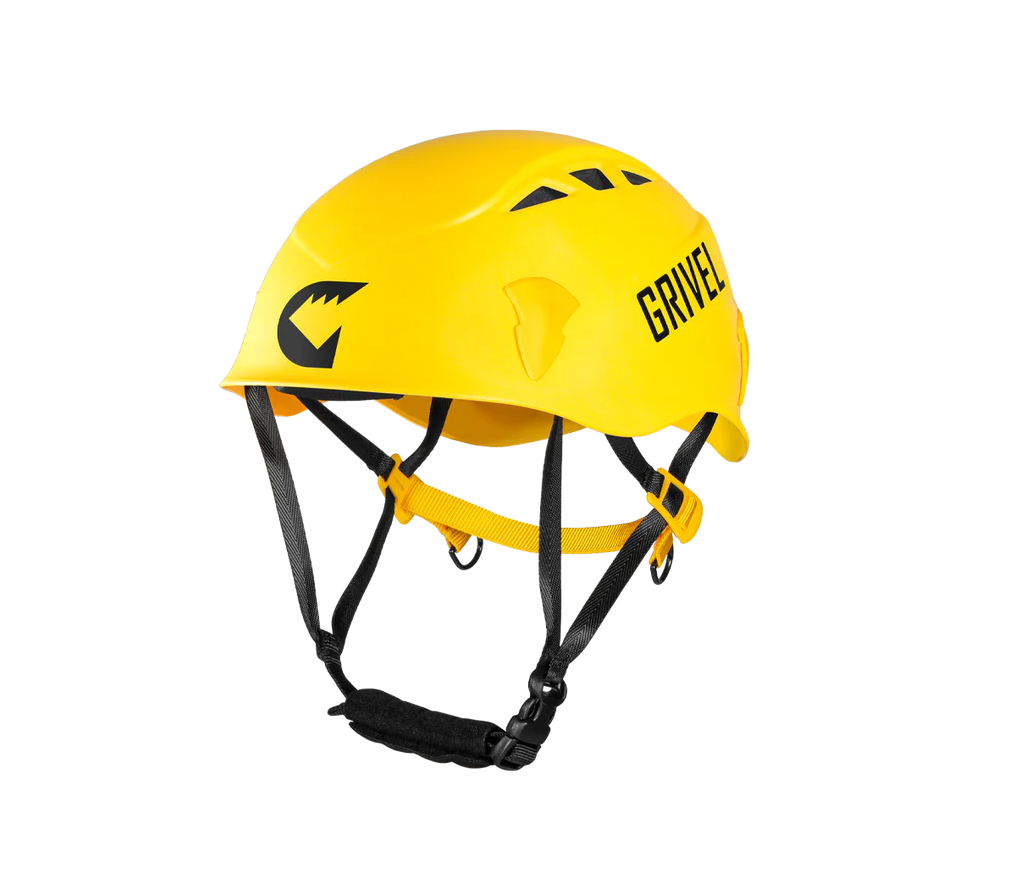
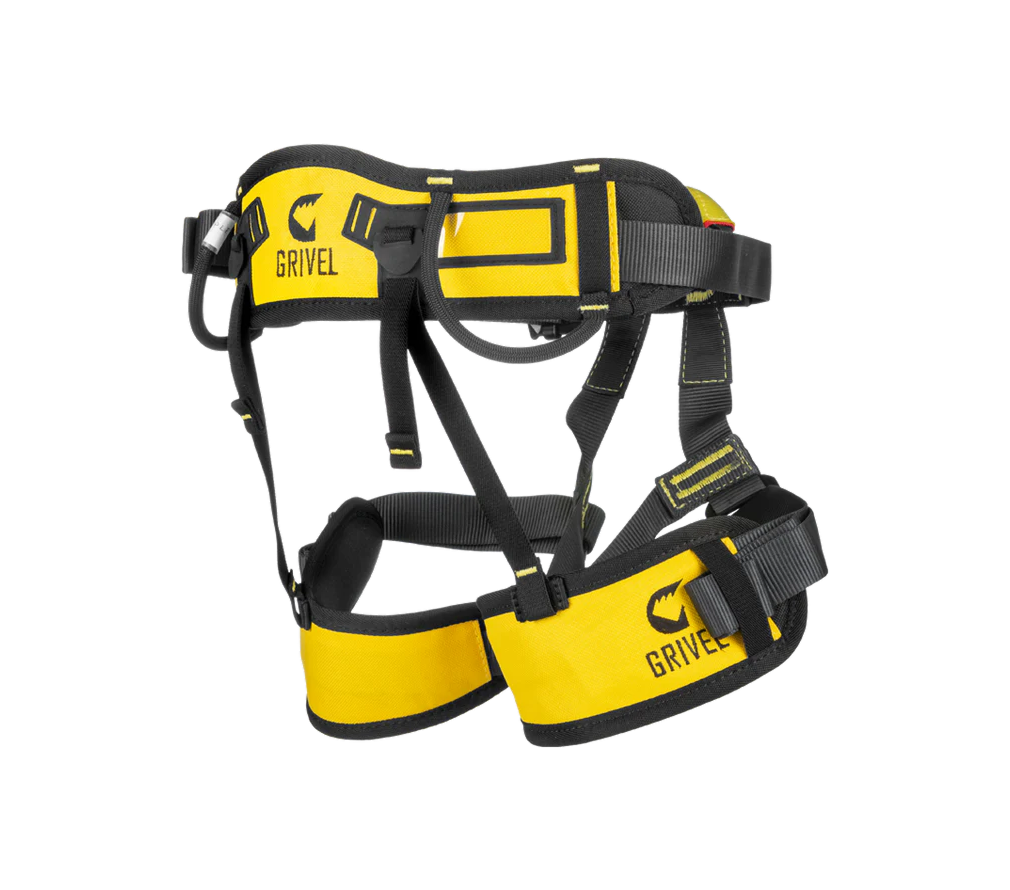
All cable car tickets are included, and technical gear (harness, ice axe, crampons, and helmet) is available on request.